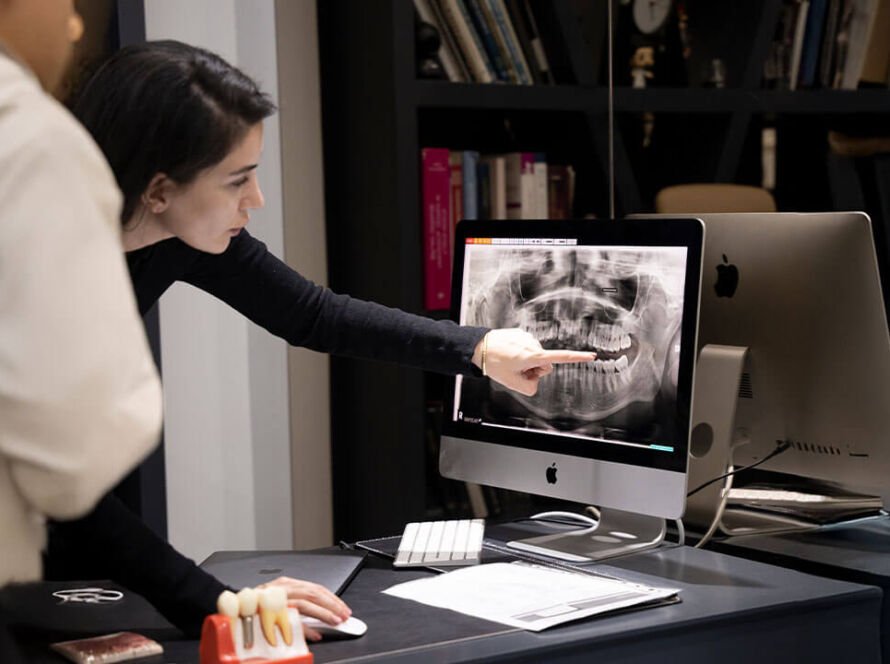
Dentistry has recently entered a period focusing not only on intraoral treatments but also on holistic health and patient comfort. One of the most notable elements of this transformation is aromatherapy-supported dental treatments. Today, aromatherapy has begun to be used not only in spas or stress management areas but also in clinical settings based on scientific foundations.
What is Aromatherapy and How is it Used in Dentistry?
Aromatherapy is the use of essential oils derived from plants for therapeutic and relaxation purposes. These oils are obtained by distilling plants such as lavender, peppermint, orange, clove, tea tree, and eucalyptus.
In dentistry, aromatherapy is applied for two main purposes:
Providing sensory comfort: Reducing the stress, fear, and muscle tension experienced by the patient during the treatment process.
Creating an antimicrobial effect: Utilizing the scientifically proven antibacterial and antifungal effects of essential oils.
The Power of Sensory Comfort
Many patients experience anxiety, sweating, or even heart palpitations when faced with dental treatment. The use of aromatherapy diffusers in clinics reduces the patient’s subconscious stress and provides a more comfortable treatment process. Especially lavender and bergamot oils provide relaxation in the nervous system, lowering cortisol (stress hormone) levels.
Some clinics use this application not only in the ambient air but also in the patient’s mouthwash mixtures or as a hand massage oil. Thus, the patient experiences a sense of relaxation through both smell and touch.
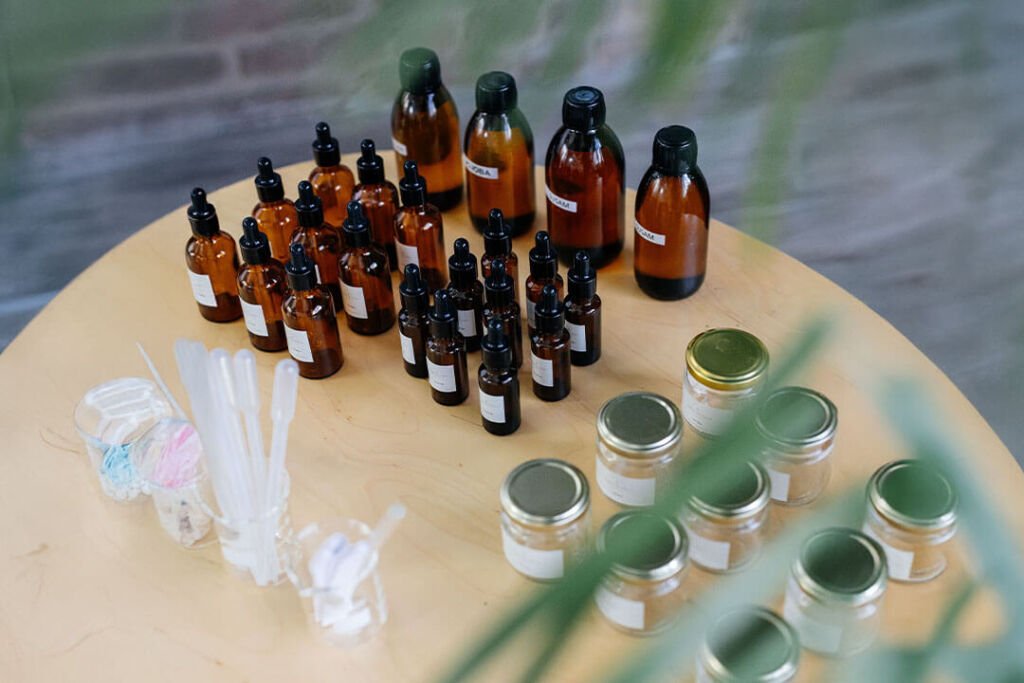
Scientifically Proven Antimicrobial Effects
Many aromatherapy oils possess powerful antimicrobial properties.
For example:
Tea Tree Oil: Effective against gingivitis, showing a reduction in bacterial load.
Clove Oil: Acts as a local analgesic for toothache and pulp sensitivity.
Peppermint Oil: Prevents bad breath and is refreshing due to its menthol effect.
Eucalyptus Oil: Soothes the respiratory tract with its antiviral properties.
Adding these oils, diluted in the correct ratio, to special mouthwash formulas reduces the chemical side effects of classic antiseptics while establishing a natural microbial balance.
Application Methods in Clinics
In modern clinics, aromatherapy can be applied in the following forms:
Diffusion into the ambient air: Calming the environment before treatment.
Aromatherapeutic mouthwash mixtures: Antibacterial and breath-freshening effect.
Topical applications: To relieve tension in the facial and jaw muscles.
Massage or warm compresses: Muscle-relaxing support for TMJ (temporomandibular joint) disorders.
These applications do not just provide a pleasant scent; they also have biochemical effects that accelerate the body’s healing process.
The Importance of Conscious Use
Although aromatherapy is a natural method, like any natural substance, it must be used under control.
Pure oils should not come into direct contact with the skin and must be diluted. They should be used in careful dosages for pregnant women, individuals with allergic constitutions, and asthma patients. In a clinical setting, mixtures prepared under the supervision of a clinician should be preferred. Therefore, aromatherapy should be considered not as an “alternative” but as a supportive and scientifically based treatment approach.
Benefits of Aromatherapy-Supported Dentistry
Supports gum health in the long term.
Enhances patient comfort and reduces anxiety.
Provides natural antimicrobial protection.
Accelerates the post-treatment healing process.
Changes the clinical atmosphere in a positive direction.